
What Affects the Cost of Business Insurance? 5 Key Factors
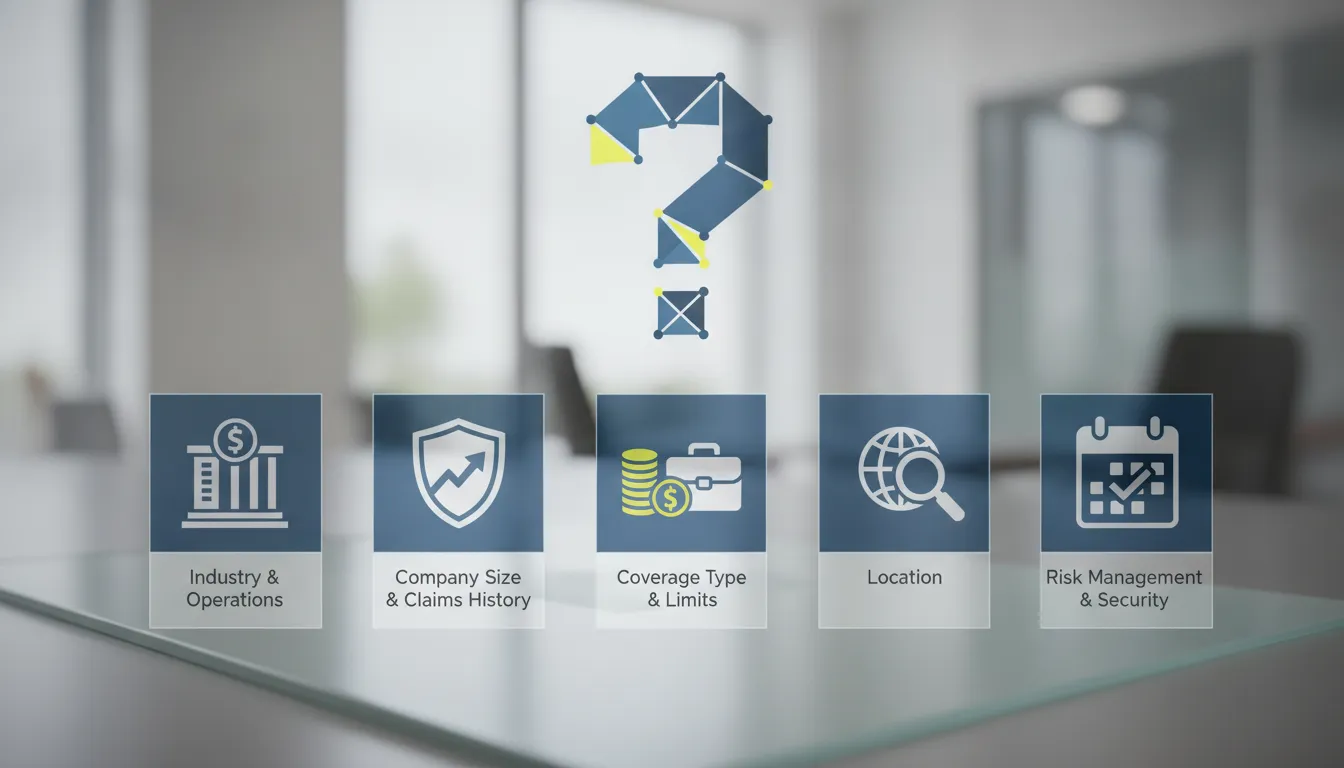
A home-based consultant and a Texas contractor with employees, work vehicles, and valuable tools don’t face the same insurance risks. Their quotes may differ for good reason. Insurers look at how a business operates, where work takes place, and what could be damaged or lost. If you’re wondering what affects the cost of business insurance, start with the basics: your industry, staff, property, service area, coverage limits, and claims record. Each factor can influence the policies available and the price you’re offered. This guide breaks down what insurers may consider, so you can prepare for a review and make informed choices for your business.
Key Takeaways
- Your operations shape your insurance costs: Industry, employee roles, property, vehicles, location, and claims history all influence how insurers assess your business.
- Compare protection alongside price: Check limits, deductibles, exclusions, and policy terms to understand what each option covers and what your business may pay after a loss.
- Review coverage as your business changes: Tell your agent about new employees, services, equipment, vehicles, or locations, and compare options from multiple carriers with Bello Insurance Services.
What Drives Business Insurance Costs?
Business insurance costs depend on what your company does, what it owns, and the protection it needs. Insurers assess these details to estimate the likelihood and potential cost of a claim. Knowing what they consider can help you prepare for a coverage review and compare policies on more than price alone.
Industry, operations, and risk exposure
Insurers consider the work your business performs and the risks employees may encounter. A manufacturer with machinery and production-floor duties, for example, may have different workplace injury risks than a marketing consultant working in an office. Construction, healthcare, food service, retail, and professional services also have distinct exposures, from job-site accidents to customer injuries or claims about professional work.
Your daily operations help shape the policies you may need. Insurers may ask whether employees visit customer sites, operate equipment, handle products, or drive for work. A business that uses company vehicles may need commercial auto coverage, while a professional firm may consider coverage for claims related to its services. Industry and operations are among the factors that can affect insurance pricing.
Revenue, payroll, employees, and assets
A business’s size and financial activity can affect the cost of its coverage. For workers’ compensation, insurers may consider payroll, employee job duties, and the number of people on staff. A company with a larger team or employees in higher-risk roles may have different costs than a small office-based business. Revenue can also help insurers understand the scale of your operations and the potential exposure.
Your property matters, too. The value of buildings, inventory, tools, and equipment can affect how much protection you need. If you hire employees, increase revenue, or purchase new equipment, review your coverage details so they reflect your current business. Accurate information helps insurers assess your needs and provide relevant options. Business insurance pricing factors vary by policy and insurer.
Location, property, vehicles, and service area
The location of your business can affect the risks insurers consider. Depending on where you operate in Texas, your property may face exposure to hail, wind, flooding, or severe storms. Insurers may also consider local traffic, crime, and other factors that could contribute to a loss. The frequency and potential severity of weather-related events can influence insurance costs, as this industry analysis of rising insurance costs explains.
The features and use of your property also matter. Building age, construction, security, maintenance, and the value of inventory or equipment can shape how an insurer evaluates a location. For commercial auto coverage, insurers may ask about the number and type of vehicles, how employees use them, and where they travel. Let your agent know if your team works at customer sites or serves several Texas communities, so your coverage reflects your actual operations.
Coverage, limits, deductibles, and claims history
The coverage you choose affects your premium. Higher limits generally cost more, but they can provide more protection if a covered claim exceeds a lower limit. A higher deductible may lower the premium, but your business will need to pay more out of pocket before coverage applies. Choose a deductible that your business could afford after an unexpected loss.
Insurers may also review how often your business has made claims and how costly those claims were. A pattern of similar losses could lead to questions about safety or maintenance, and a significant claim may affect renewal terms. Don’t compare policies by premium alone. A lower-priced option may come with higher deductibles, lower limits, or exclusions that leave some risks uncovered. Reviewing both cost and policy details can help you make a more informed choice, as these common small-business insurance mistakes illustrate.
Underwriting, risk controls, and policy terms
Underwriting is how an insurer reviews your business and decides what coverage to offer, at what price, and under which terms. The insurer may ask about your services, employees, property, vehicles, contracts, and claims history. Complete, accurate information helps the insurer assess your risks and determine whether the proposed policy suits your operations.
Risk controls can provide useful context during that review. Written safety procedures, employee training, equipment maintenance, secure premises, and clear incident records show how your business works to prevent and respond to losses. These steps don’t guarantee a lower premium, but they can help insurers understand your approach to risk. Policy exclusions, endorsements, and conditions also affect what protection you receive. Bello Insurance Services helps Texas businesses compare options from multiple insurance carriers and review coverage based on their needs.
How Do Operations Affect Premiums?
An insurer considers how your business runs, not only what it sells. Employee tasks, customer contact, work locations, vehicles, and equipment all help shape your risk profile and the coverage you may need. When requesting a quote or reviewing a policy, describe your day-to-day operations accurately, including any work that happens away from your main location.
Risks across construction, healthcare, manufacturing, food service, retail, and office work
Different industries face different kinds of risk. Construction crews may work at heights or use power tools, while manufacturers may operate heavy machinery. Food service businesses handle hot equipment and busy customer areas. Healthcare providers may face risks tied to patient care and sensitive information. Retail stores and offices have their own exposures, such as customer injuries or damage to business property.
These differences can affect pricing, especially for workers’ compensation and liability coverage. Industry risk factors help explain why businesses of similar size may receive different quotes. When describing your company, include every service you offer and the tasks employees perform, not just your main line of work.
Customer interactions, job sites, professional services, and equipment use
The way you serve customers can influence your insurance needs. A contractor visiting multiple job sites may face different exposures from a consultant working in an office. A shop that welcomes customers may need to consider injuries on its premises, while a professional service provider may face claims related to advice or work delivered to clients. Company vehicles, tools, machinery, and other equipment can also affect both risk and coverage requirements.
Insurers may weigh factors such as employee count, location, and type of work. A factory with a large workforce, for example, may have a different workers’ compensation profile than a small office-based business, as Progressive Commercial explains. Give your agent a clear picture of where your employees work and what they do.
Specialized coverage, including workers’ compensation, commercial auto, and professional liability
General liability coverage may not address every risk connected to your operations. A contractor may need protection for tools and equipment. A healthcare provider or consultant may consider professional liability coverage for claims alleging an error or omission. If employees use vehicles for business, commercial auto coverage may be worth discussing. Workers’ compensation needs depend on your business and applicable rules, so confirm what applies to your situation.
The right mix depends on your services, workforce, vehicles, property, and contracts. Review business coverage options from Bello Insurance Services and make a list of your operations and assets before discussing a policy. An agent can help you identify potential gaps and compare options from multiple insurers.
How safety procedures and employee training affect risk
Consistent safety practices can help reduce injuries and property damage. Depending on your work, that may mean training employees to operate equipment, keeping walkways clear, maintaining vehicles, documenting inspections, or setting clear procedures for job sites. Written instructions can help staff follow the same standards as your business grows or responsibilities change.
Safety measures do not guarantee a lower premium, since insurers consider several factors when pricing coverage. Still, records of training, maintenance, inspections, and incident reviews can help show how you manage risk. Track near misses as well as claims, and update procedures when your work changes. Business insurance guidance also stresses the importance of understanding policy coverage and reviewing it as a business evolves.
How Do Business Size and Location Affect Costs?
Insurers look at how much a business does, what it owns, and where it operates when estimating risk. Two companies in the same industry may pay different premiums because their payrolls, property, locations, and coverage needs differ. Keeping those details current can help ensure your policy reflects the business you run today.
How payroll, employees, revenue, and growth affect pricing
Payroll and employee count can affect the cost of certain policies, including workers’ compensation. More employees or higher payroll can mean greater potential exposure, but the type of work matters too. A factory with 100 employees may have different risks from a consulting firm with 10 office employees, as Progressive Commercial explains.
Revenue can help insurers understand the scale of a business, though its role in pricing varies by policy and carrier. Growth may bring new staff, larger projects, or more customer interactions, all of which can change your coverage needs. When applying or renewing, provide accurate payroll, revenue, and employee information. If your business has expanded or changed how it operates, let your agent know so they can review your coverage.
Property value, building features, inventory, and equipment
The cost to insure business property depends in part on what you own and what it may cost to repair or replace. A company with valuable equipment, substantial inventory, or a building to insure may need higher property limits than a business with few physical assets. Insurers may also consider a building’s age, construction, fire protection, alarms, and other security features. Progressive Commercial notes that property value and security measures can affect business owners policy costs.
Keep an up-to-date list of equipment, stock, furniture, and other business property. Review it after major purchases or changes, and check whether your limits reflect current replacement costs. An independent agency such as Bello Insurance Services can help you compare business coverage options and discuss protection for your property.
Texas weather, crime, and local risks
A business’s location can affect its exposure to weather, theft, traffic accidents, and other losses. Texas businesses may face risks such as hurricanes and flooding near the Gulf Coast, hail and severe storms in many areas, or extreme heat. The relevance of each risk depends on where your property is and what your business does.
Large weather-related losses can affect insurance markets and premiums. TRB Bank’s overview of rising insurance costs describes how severe events can affect insurers. Ask your agent whether your policies address the risks specific to your location. For example, commercial property coverage may not include flood damage, so check the policy wording and ask about separate flood coverage if your business could be affected.
State rules, contracts, and lender requirements
A business’s insurance needs may be shaped by laws, customer contracts, leases, and loan agreements. The requirements depend on the type of coverage and the business’s circumstances. A client might require a contractor to carry general liability insurance before starting work, while a commercial landlord may set coverage conditions in a lease. A lender may also require insurance for financed property or equipment.
These requirements can affect the types of policies and limits a business needs, which may change its overall premium. Read contracts before signing and ask an insurance professional to explain requirements you’re unsure about. If your business works across state lines, discuss where and how it operates with your agent. Bello Insurance Services works with Texas businesses to compare options from multiple carriers and review coverage needs.
How remote work and multiple locations affect coverage needs
Remote work can change where employees use business equipment and where work takes place. Computers or tools kept at an employee’s home, customer visits, and work performed away from the main office may affect how a policy responds to a loss. Don’t assume office coverage automatically protects every item or activity at a remote location. Ask your agent how your policy applies and whether you should report any changes.
Multiple offices, stores, warehouses, and job sites can each bring different property values and risks. Tell your insurer when you open a location, expand your service area, or change how employees work. A policy that fit the business a few years ago may no longer reflect its operations. Marshfield Insurance recommends reviewing insurance as business circumstances change.
How Do Limits and Deductibles Affect Costs?
Limits and deductibles affect both your premium and what your business may pay after a covered loss. The right choices depend on your operations, property, contracts, and available cash. A lower premium can mean more out-of-pocket costs or less protection, so compare the policy details, not just the price.
How policy limits affect premiums and out-of-pocket losses
A policy limit is the most an insurer will pay for a covered claim, subject to the policy’s terms. Higher limits generally cost more because they provide more potential coverage. If a claim exceeds the applicable limit, your business may have to pay the difference.
When choosing limits, consider the size of your contracts, the customers you serve, and the value of your business assets. A client, landlord, or lender may also require you to carry certain limits. Keep in mind that policies can have different limits for individual claims and for all claims during a policy period. Ask an insurance professional to explain how each limit applies to your coverage. Acrisure’s overview of business insurance costs explains how coverage choices can affect premiums.
Choose a deductible your business can afford
A deductible is the amount your business pays toward a covered loss before the insurer pays its share. A higher deductible may lower your premium, but it also means paying more out of pocket if you file a claim. Choose an amount your business could manage without disrupting cash flow, payroll, or daily operations.
Before raising a deductible, consider your cash reserves and the losses your business could reasonably face. A deductible that seems affordable when you buy the policy may be harder to cover after property damage or another unexpected expense. Check how deductibles apply to different parts of your policy, since terms can vary. Acrisure recommends weighing premium savings against potential out-of-pocket costs when selecting a deductible.
What general liability, property, and business owner’s policies cover
General liability can help cover certain third-party claims, such as bodily injury, property damage, or advertising injury. Commercial property insurance can help pay for covered damage to business property, including buildings, inventory, or equipment. Coverage depends on the policy’s terms, limits, and exclusions.
A business owner’s policy, or BOP, commonly combines general liability and commercial property coverage. It may also include business interruption coverage, which can help replace income after a covered event disrupts operations. A BOP can be a useful option for some small businesses, but it does not automatically cover every risk. Review what’s included and whether the limits fit your needs. Bello Insurance Services can help Texas business owners compare business insurance options based on their operations and coverage needs.
When commercial auto, workers’ compensation, professional liability, cyber, or business interruption coverage may fit
Your work may call for coverage beyond general liability and property insurance. If your business owns or uses vehicles, commercial auto coverage may help address risks from work-related driving. Workers’ compensation can help pay medical costs and lost wages for employees with work-related injuries or illnesses. Texas rules and employer obligations vary, so confirm what applies to your business.
Professional liability may fit businesses that provide advice or specialized services, while cyber insurance may help with certain losses related to cyberattacks or data breaches. Business interruption coverage may help replace income after a covered event temporarily disrupts operations. These policies address different risks. Consider your contracts, employees, vehicles, customer data, and ability to keep operating after a loss when deciding what to discuss with your agent.
How exclusions and endorsements affect cost and protection
An exclusion identifies a type of loss, situation, or property a policy does not cover. Read exclusions so you know where your business may be responsible for costs. If an exclusion leaves an important gap, ask whether a different policy or an endorsement could address it. An endorsement changes a policy by adding, limiting, or adjusting coverage, and it may change the premium.
Review these details when you buy coverage and whenever your business changes. Adding a service, buying equipment, signing a new contract, or opening another location can affect your insurance needs. Don’t assume a familiar policy name means every business activity is covered. Insurance Hub’s overview of common business insurance mistakes points out that businesses can miss changes when they set up coverage and don’t revisit it.
Why general liability leaves coverage gaps
General liability can help with certain third-party claims, but it is not a catch-all policy. It generally does not replace coverage for your own business property, employee injuries, work vehicles, or professional mistakes. The specific protection available depends on your policy wording, exclusions, and endorsements.
For example, a consultant facing a claim related to a professional error may need professional liability coverage. An accident involving a work vehicle may call for commercial auto insurance, while damage to inventory may fall under commercial property coverage. Review the risks tied to your actual work instead of relying on a policy’s name alone. An independent agency such as Bello Insurance Services can compare options from multiple carriers and help explain how different policies may work together.
How Do Claims and Risk Management Affect Rates?
Your business’s claims history can affect how an insurer assesses risk, sets premiums, and offers renewal terms. A pattern of frequent claims or a single costly loss may lead to closer review, but it does not automatically mean your premium will rise or your policy will be canceled. Insurers also consider your industry, location, coverage choices, and the circumstances of each claim. Because businesses face different exposures, costs can vary even when companies have similar claims records, as Pie Insurance explains.
Risk management gives you practical ways to reduce the likelihood and impact of losses. Keep safety procedures current, maintain property and equipment, and tell your agent when your business changes. New employees, vehicles, services, or locations can affect the coverage you need. It also helps to understand what your policies cover, what they exclude, and whether your limits meet contractual requirements. Bello Insurance Services can help Texas business owners review coverage options from multiple carriers. A claim-free history can be helpful, but it is only one part of the pricing picture.
How claim frequency and severity affect premiums and renewal options
Insurers may look at both how often your business files claims and how costly those claims are. Several smaller losses may point to a recurring issue, while one severe claim could involve substantial payments. The type of loss matters, too. A customer injury, property damage, or commercial vehicle accident may affect different parts of your insurance program.
At renewal, a carrier may adjust the premium, revise policy terms, request more information, or choose not to renew, based on its underwriting guidelines and applicable rules. Each insurer evaluates risk differently, so the same claims history may lead to different offers. Review renewal documents carefully, ask what has changed, and discuss available options with your agent.
Review loss runs to spot recurring risks
Loss runs summarize claims filed under your business insurance policies. They often include the date of each incident, its status, and amounts paid or reserved. Reviewing them can help you spot patterns, such as repeated slip-and-fall incidents in one area, vehicle accidents on a common route, or equipment failures linked to maintenance.
Ask your agent how to request and review your loss runs, particularly before applying for coverage or preparing for renewal. Check that the information is accurate, and ask about any unfamiliar or duplicate entries. Once you identify a pattern, consider what changes could help prevent similar losses. Insurance Hub’s guidance for small businesses recommends treating insurance as an active part of financial planning and understanding what a policy does and does not cover.
Assess business activities, property, contracts, and potential losses
Insurance needs can change as your business grows or takes on different work. A contractor may begin handling larger projects, a retailer may carry more inventory, or a company may add delivery services. These changes can create risks that an existing policy may not fully address. Review your activities, property, vehicles, equipment, contracts, and the potential costs of a disruption.
Check whether clients, landlords, or lenders require specific coverage or limits. Those requirements may not address every risk your business faces, so discuss them with your agent. Share planned changes before they take effect, giving you time to review your coverage. Marshfield Insurance notes that a policy that suited a business at one point may become inadequate as circumstances change.
Manage risk with safety practices, maintenance, and documentation
Clear safety procedures help employees recognize hazards and follow consistent steps to prevent injuries and property damage. Depending on your work, useful measures may include employee training, equipment inspections, safe-driving rules, secure storage, or a process for reporting hazards. Keep records of training, inspections, and maintenance so you can track what your business has done to manage risk.
Good documentation also helps you respond when an incident occurs. Record what happened, when it happened, who was involved, and what actions followed. Report claims promptly according to your policy instructions, and avoid assuming an incident is covered before checking the terms. Risk controls cannot guarantee lower premiums, but they can help prevent avoidable losses. Marshfield Insurance recommends addressing common risk-management gaps to better protect a company’s operations and employees.
Why a claim-free history doesn’t guarantee the same renewal price
A claim-free record may be a positive part of your business’s insurance profile, but it does not guarantee the same renewal price. Premiums can change because of factors beyond your own claims, including an insurer’s costs, local conditions, or updated underwriting guidelines. Your business’s needs may also shift: higher payroll, additional vehicles, new services, or more valuable equipment can affect the coverage and limits that make sense.
When your renewal offer arrives, check that the policy still reflects your operations. Ask what changed, confirm the details used to calculate the premium, and compare alternatives with similar coverage. Price matters, but so does the potential cost of an uncovered loss. As Farm Bureau Financial Services explains, liability coverage can be a worthwhile investment even when a claim seems unlikely.
How Can Small Businesses Manage Insurance Costs?
Managing business insurance costs starts with knowing what your business needs to protect. A consultant working from home has different exposures from a contractor with employees, work vehicles, and equipment at job sites. Use the steps below to compare options, keep your information accurate, and make sure a lower premium does not come at the expense of protection your business needs.
Compare coverage and rates from multiple carriers
Insurance carriers can offer different rates, limits, deductibles, and policy terms for similar businesses. Compare quotes using the same details about your operations and the same coverage needs, so you can make a fair comparison. Look beyond the premium: check what each policy covers, which exclusions apply, and how much you would pay out of pocket after a claim.
An Acrisure guide to small business insurance costs recommends comparing rates and coverage from multiple insurers. As an independent agency, Bello Insurance Services works with multiple carriers, giving Texas business owners options to review with one-on-one guidance.
Match limits to your business’s risks
Choose policy limits based on your business activities, assets, contracts, and potential losses. Consider the value of your equipment and inventory, the size of the projects you take on, and whether employees work at customer locations. A low premium may look appealing, but limits that are too low could leave your business responsible for significant costs after a covered claim.
You do not necessarily need the highest limits available. Instead, discuss which limits fit your exposures and budget, and ask how deductibles affect what you would pay when filing a claim. The aim is to balance premium costs with meaningful protection. Acrisure’s cost guide offers a useful reminder to weigh coverage against both risk and budget.
Keep payroll, revenue, vehicle, and property details current
Insurers use information about your business to assess its coverage and price. If your payroll, revenue, vehicles, property, or equipment changes, outdated details may leave your policy out of step with your operations. Keep those records current, and tell your agent about significant changes, such as hiring employees, buying a work vehicle, moving to a larger space, or purchasing costly equipment.
Accurate information can help your agent assess your coverage needs and reduce the chance of a mismatch when you need to make a claim. It can also help avoid paying for coverage based on details that no longer apply. Insurance Hub’s review of common small-business insurance mistakes emphasizes treating insurance as an active part of business planning.
Review policies when staffing, operations, or locations change
Insurance that suited your business when you first purchased it may not fit after the company grows or changes direction. Review your policies when you hire or reduce staff, add a service, take on larger contracts, open another location, or change how you deliver products. Moving from office-based work to regular customer visits, for example, could introduce new vehicle or liability exposures.
Schedule a review at renewal and after major changes, rather than waiting until a claim or contract requirement reveals a gap. Check that the policy lists the right locations, activities, and property. Marshfield Insurance recommends reviewing business coverage as circumstances change, since a policy that once fit may become inadequate as operations evolve.
Ask about bundling when it fits your needs
Some insurers offer a Business Owner’s Policy, or BOP, which typically combines general liability and commercial property coverage. Eligibility and policy details vary, and a BOP may not include every type of coverage your business needs. Ask whether bundling could suit your operations, then compare the package with separate policies, including their limits, exclusions, and endorsements.
Bundling may lower costs in some cases, but savings are not guaranteed. If you own vehicles, have employees, or provide professional services, ask whether commercial auto, workers’ compensation, or professional liability coverage should be considered separately. Acrisure’s guide to small-business insurance costs discusses bundling and BOPs as possible cost considerations. Make the decision based on coverage as well as price.
Don’t choose by price alone or assume small businesses don’t need coverage
Even a small business can face a lawsuit, property loss, vehicle accident, or interruption to its work. Choosing a policy solely because it has the lowest premium could leave important risks uninsured or set limits too low to meet a loss. Before deciding, compare the cost with what the policy protects, the deductible you would pay, and the exclusions that apply.
Also check whether a landlord, client, or contract requires specific coverage before you lease a space or begin work. A business’s size alone does not determine whether insurance is useful. Insurance Ranked outlines common misconceptions about business insurance, including the assumption that small businesses can safely go without it. Review your actual exposures before deciding what coverage makes sense.
Get personalized guidance from an independent Texas insurance agency
Business insurance can involve several policies, and the right combination depends on your work, property, employees, and contracts. An independent agent can help you describe your risks, compare options from multiple carriers, and understand trade-offs among premiums, limits, deductibles, and exclusions. For Texas businesses, it can also help to discuss local property concerns and how vehicles are used across your service area.
Before a review, gather a current list of your services, payroll, locations, vehicles, and major assets. That information gives your agent a clearer picture of your business and makes the discussion more specific. Bello Insurance Services offers business insurance options and personalized support for clients across Texas.
Frequently Asked Questions
Why can two similar businesses pay different insurance premiums? Insurers assess more than industry and company size. The work employees perform, claims history, location, property, vehicles, and selected policy terms can all affect a quote. Carriers may weigh these details differently, so comparing more than one option can be helpful.
What information should I gather before requesting a business insurance quote? Prepare details about your services, employee duties and payroll, business locations, vehicles, equipment, inventory, and recent claims. Mention upcoming changes, such as hiring staff or adding a new service, so the coverage discussion reflects your actual operations.
Can I lower my business insurance premium by choosing a higher deductible? A higher deductible may reduce the premium, but it means your business pays more toward a covered loss. Before choosing one, consider how much your company could comfortably cover without affecting cash flow or daily operations.
Does general liability insurance cover every business risk? No. General liability does not replace coverage for risks such as employee injuries, damage to your own property, work-related vehicle accidents, or claims involving professional services. Ask an agent which separate policies may fit your business.
How can an independent insurance agency help compare business coverage? An independent agency can review your operations and compare options from multiple insurers. Bello Insurance Services works with Texas businesses to discuss coverage, limits, deductibles, and policy terms, helping you assess options beyond the premium alone.
